Submitted by Triinu
on
This blog post was written by our student ambassador Ana, who is a student of the semiotics programme at the University of Tartu.
Vabariigi aastapäev, or Independence Day, is the most significant and important national holiday in Estonia. It commemorates the signing of the Declaration of Independence and the recognition of Estonia as a free and independent country. It is celebrated on February 24, and this year, our beloved Estonia turns 108.
In this blog, I will share the customs and the most important facts about celebrating the holiday, the most significant events and places to visit during the celebrations, my own experiences and traditions, and a special dedication to Estonia for all the wonderful years it has given me. I truly hope you will enjoy this blog, become more acquainted with the festivities and traditions of this great holiday, and perhaps try some of them yourself.
The declaration of independence of Estonia was actually signed on the 23rd of February 1918 in Pärnu, but it was officially announced on the 24th of February; hence, that date became Independence Day. This day reflects Estonia’s struggle and strong will to become the free, recognized, and self-standing nation we know today.
People in Estonia usually celebrate this holiday by attending the flag-raising ceremony, followed by the President’s speech, along with other speeches about Estonia’s rich history and culture, choir songs, and the military procession through the town. Those who can’t attend in person can always watch the ceremony on TV.
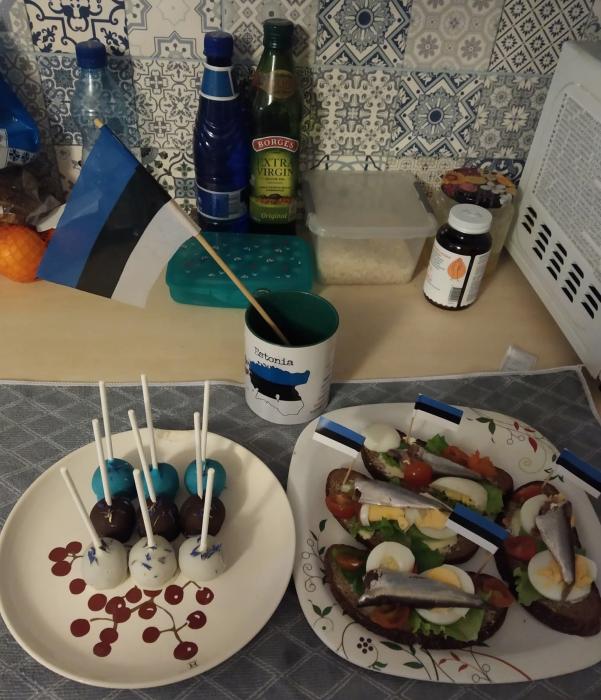
Estonians also prepare kiluvõileivad (sprat sandwiches) — small sandwiches with black rye bread, butter, sprats, boiled eggs, and onions — which are the traditional Independence Day dish, along with other Estonian snacks and kamavaht, a creamy foam-like dessert made with kama, another important national food of Estonia.
Places to go and events to visit for Independence Day in Tartu
If you are living in Tartu and not travelling outside Estonia for the holiday, the flag-raising ceremony in front of the Tartu Observatory on Toomemägi (Toome Hill) is an ideal event for you. The ceremony starts at 7:30 in the morning, with the Mayor of Tartu’s opening speech, followed by the choir singing and speeches from other important figures of the city. Then the flag is raised while everyone watches proudly, holding their own Estonian flags.
The ceremony is in Estonian, but it’s a great opportunity to listen and learn new Estonian phrases. Next, there is a festive procession of Estonian soldiers at Raekoja plats, along with the awarding of medals of honour and promotions to those who have deserved them. Let’s not forget the various events at ERM (the Estonian National Museum), such as free exhibitions (previous registration required), children’s games, and a concert.
How I celebrate Independence
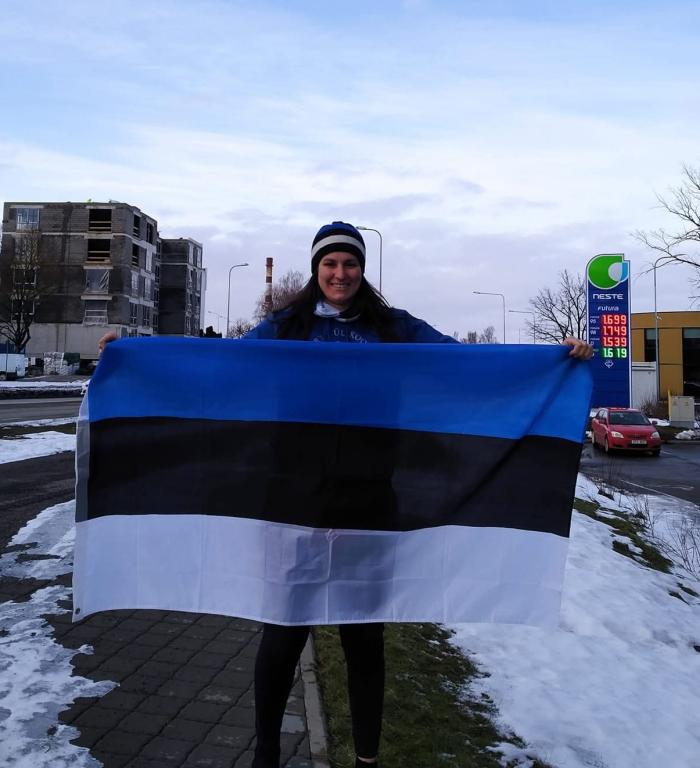
As an Estonian lover, Vabariigi aastapäev is the most important day of the year for me. I love walking the streets of Tartu and admiring all the Estonian flags and Estonia-themed decorations on houses and street lamps. I celebrate by preparing and eating kiluvõileivad and kama. When I am not working, I go to the flag-raising ceremony with my Estonian flag and an Estonian hat. Then I listen to the national anthem of Estonia, along with “Eesti muld ja Eesti süda” and “Eestlane olen ja eestlaseks jään.” After that, I read a few patriotic poems by Lydia Koidula and watched an Estonian movie.
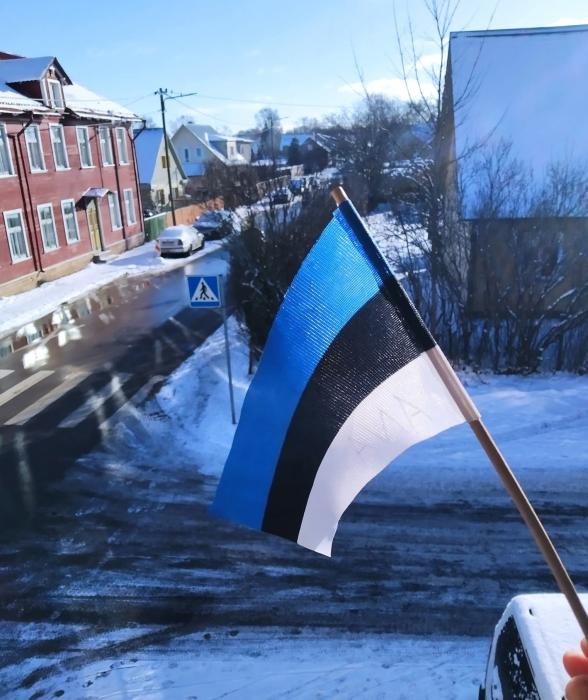
To be honest, I try to do things like this in my everyday life, because when you love and cherish Estonia as much as I do, every day feels like Independence Day.
And lastly, I wish you the happiest and most joyful birthday, Estonia, my love! May you celebrate it in glory, pride, and happiness. Thank you for these four wonderful years, and may we spend many more together. Ma armastan sind, kallis Eestimaa!
Also, here is the link for the Independence Day festivities in Tartu — make sure to check them out