
This blog post was written by our student ambassador Ana, who is a student of the semiotics programme at the University of Tartu.
Life is sweet thanks to desserts and sweets. Almost everyone enjoys eating chocolate, candy, cakes, and other desserts, as sugary treats can make us feel more energized and lift our mood, especially during exam periods and thesis writing. Ever wondered about traditional Estonian desserts? What kind of cakes do Estonian grandmothers make for their loved ones? What sweet treats have generations of Estonian children grown up with? In this blog, I will present traditional Estonian desserts that are still among the favourites not only of Estonians but of foreigners as well. I hope this blog will inspire you to try some of the desserts or even make some yourself, as they are quite easy to prepare.
Kirju koer (Spotted Dog) 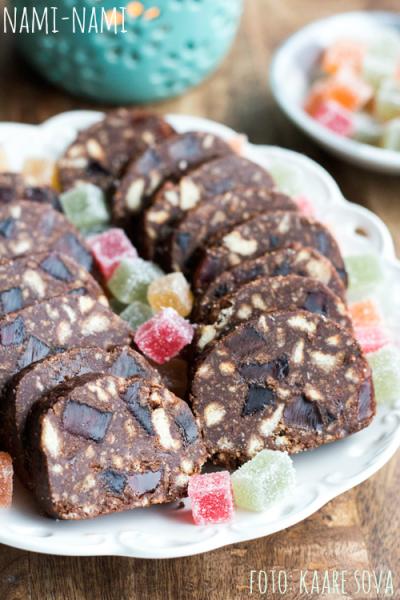
Kirju koer is actually a chocolate bar you can find in any store. It also comes as candy and has a cartoon spotted dog on the packaging. You can also prepare kirju koer yourself and treat your family and friends to something tasty and amazing.
You will need: two tablespoons of cocoa powder, 100 grams of butter or margarine (Eesti Või or any other butter), 180 grams of biscuits (usually Kalev biscuits, but any are fine), two tablespoons of sugar (white or brown), and 150 grams of marmalade candy (preferably chopped into small pieces).
First, grind the biscuits and melt the butter. Then mix everything together and form a tube shape. Wrap it in baking paper and put it in the fridge for one or two hours. After it has set, cut it into pieces and enjoy.
Kass Artur (Cat Artur)
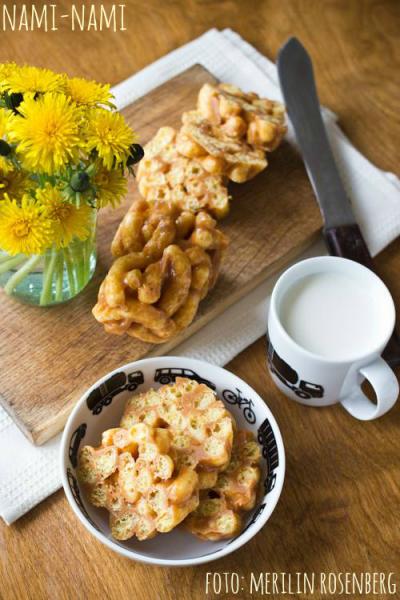
Kass Artur is a very popular dessert among Estonian children. It is a mix of caramel and corn sticks. It can be found in the cake section of stores and also among snacks (in light green packaging with an orange cat on it). It consists of small corn balls and is very easy to prepare.
You will need:
175 grams of butter, 300 grams of soft caramel candy (lehmakommid are recommended, but any caramel candy will do), and 100 grams of corn sticks. Melt the butter and caramel candy, and crush the corn sticks. Mix everything together and form ball-like shapes. Put them in the fridge for one or two hours. This no-bake treat is perfect for any get-together or whenever you need something simple and sweet.
Kamavaht (Kama Foam)
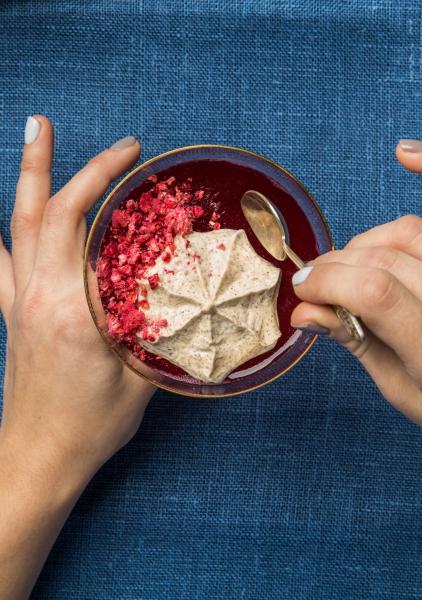
Kamavaht is one of the most iconic traditional Estonian foods. Kama flour is made from rye, wheat, barley, peas, and beans. It is usually mixed with kefir or milk, and sugar or berries (blueberries or raspberries) can also be added. There are also some famous Estonian desserts that include kama, and one of them is kamavaht. Kamavaht is a light, foamy, and creamy dessert that is very popular in Estonia. It is also very simple to prepare.
You will need:
4 dl of whipping cream, 2 tablespoons of sugar (white or brown), and 4 tablespoons of kama flour. Whip the cream with sugar until it becomes fluffy, then add the kama flour. You can also add some jam, syrup or berries. It is a light yet delicious dessert for everyone to enjoy.
Kohupiimakook (Curd Cheese Cake)
This light and traditional dessert is ideal for all lovers of dairy products. Curd cheese is a very popular ingredient in Estonian cuisine. This cake can be found in bakeries, cafés, and in the dairy section of shops (usually with raisins or other flavours).
You will need:
400 grams of kohupiimapasta (sweet curd cheese cream, sold in small red tubes in the dairy section), 200 grams of sour cream (Saare is recommended, but any will do), 4 eggs, 2–4 tablespoons of sugar, one packet of cake base powder, and 50 grams of butter.
Mix the eggs with sugar, then add the curd cheese and sour cream and mix well. Grease a cake tin (about 26 cm) with butter and spread the cake base powder evenly over the bottom. Pour in the curd cheese mixture and bake in a preheated oven at 200°C for 30–40 minutes. You can also add jam or raisins to the cake. If you are feeling patriotic, you may decorate it with edible cornflower petals, the national flower of Estonia.
Vastlakukkel
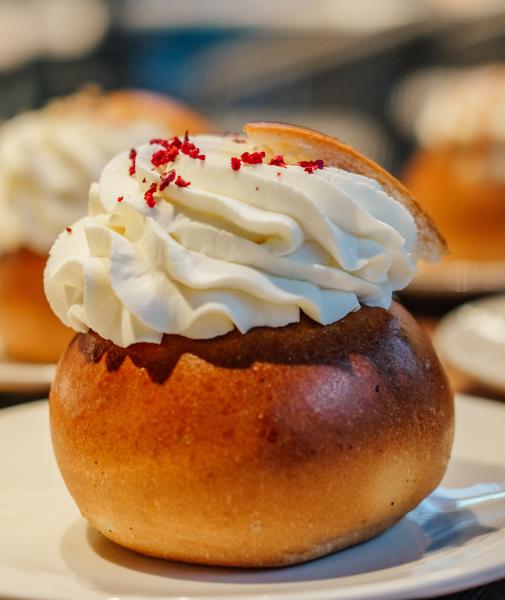
Vastlakukkel is a traditional pastry eaten on Vastlapäev (Shrove Tuesday). This creamy bun is an important part of Estonian culture and tradition and can be found in every store around Vastlapäev. It consists of a bun filled with cream, like a small cake sandwich.
For the buns: 5 dl of lukewarm milk, 50 grams of yeast, 1 tablespoon of salt, 200 grams of melted butter, about 800 grams of wheat flour, 2 eggs, 1 tablespoon of ground cardamom, and 3 tablespoons of sugar.
For the filling: whipping cream, sugar, vanilla sugar, or berry jam.
Dissolve the yeast in lukewarm milk with sugar, cover with a cloth, and let it rise. Then add salt, cardamom, beaten eggs, and flour, and knead the dough. Form buns and bake them in the oven at 200°C for 15–20 minutes. When the buns are ready, cut off the tops and hollow out the centres. Whip the cream with sugar and vanilla, and fill the buns. Put the tops back on. You can also decorate them with cornflower petals to emphasise the importance of Vastlapäev.
These are just some of the traditional Estonian desserts that are sure to satisfy anyone with a sweet tooth. For more traditional Estonian cakes.
Find out which international degree programmes are available for you in Estonia.
Read more blog posts: