This blog post was written by our student ambassador Ashley Vanessa, who is a student of the Computer Science programme at University of Tartu.
Estonia is known as one of the greenest countries in Europe, and I can see why. Recycling efforts are all over the country, and I don't think I've met an Estonian who doesn't recycle. In addition to all of this, over 50% of the country is covered in forests, and the government has also made efforts to promote sustainability. As a student living here, I've noticed how easily I can adopt eco-friendly habits. It's even a way to get a little extra cash.

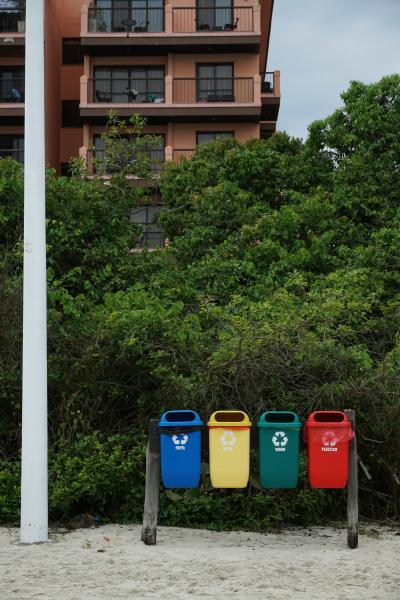
I realized pretty quickly that separating your trash is very important, and everyone here does it. Most apartments and dormitories have different bins for paper, plastic, glass, and bio-waste. At first, it felt overwhelming to keep track of everything, but after a few weeks, it became second nature. Estonians take this seriously, and you'll notice that public spaces also have separate bins. It's just part of the culture here. Estonia also has a bottle and can deposit system. When you buy drinks in bottles or cans, you pay a small deposit. You get this money back when you return the empty containers to the machines found in most supermarkets. This is the extra cash I mentioned earlier. I keep a bag in my apartment specifically for empties and return them whenever I go grocery shopping. It adds up faster than you'd think, and it's a simple way to encourage recycling.
Another tip is using public transport or bikes. In Tartu, walking or using a bike to get to your destination is very common. The city is flat and compact, making it perfect for cycling. The cities have dedicated bike lanes, and you can rent bikes with the bike share or buy one from a student who is leaving. I see students biking year-round, even in winter. It takes some getting used to, but it's doable with the right gear. In Tallinn, there's free public transportation if you're a student registered there. This is not only great for your wallet but also significantly reduces your carbon footprint. In Tartu, public transport isn't free, but it's still very affordable for students.
Estonia has fantastic farmers' markets where you can buy fresh, local produce. The Balti Jaama Turg in Tallinn and the Tartu Market Hall are my favorites. Shopping here supports local farmers and reduces the environmental impact of transporting food long distances. Plus, the prices are often lower than those in supermarkets, especially if you go near closing time when vendors want to sell everything before packing up. I also recommend bringing your own bags. Plastic bags cost extra in most stores, and reusable bags are sold everywhere for just a couple of euros.
Second-hand shops are everywhere in Estonia, and they're treasure troves for students. You can find clothes, furniture, books, and kitchen items for a fraction of the price of buying new. Some popular chains include Uuskasutuskeskus and Humana. There are also free exchange groups on Facebook where students give away items they no longer need. I've gotten a desk lamp this way.
Estonians tend to be practical people who don't waste much. One app I discovered here is called "Too Good To Go," and there's also another one called ResQ Club. Restaurants and cafes sell their leftover food at discounted prices at the end of the day instead of throwing it away. It's a win-win: you save money, try fancy food, and help reduce food waste. There's also Foodshare Tartu, which has refrigerators all over the city with food that supermarkets would otherwise throw out. These community fridges are stocked with items nearing their expiration date or slightly damaged packaging, but the food is still perfectly good to eat. It's completely free, and anyone can take what they need.
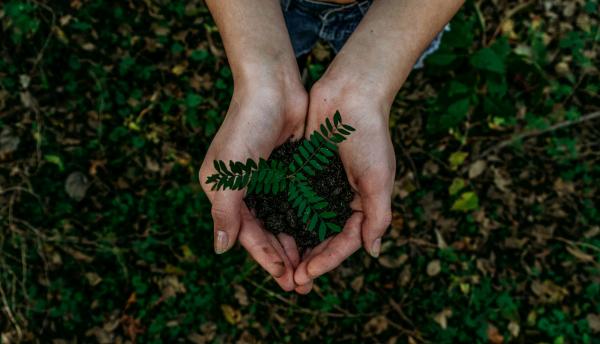
Estonia's nature is one of its best features, and enjoying it is completely free. Hiking in the forests, walking along the coast, or having a picnic in a park costs nothing. I've learned to always take my trash with me and stick to marked trails when hiking. Berry and mushroom picking are also popular here. In late summer and fall, you can forage for free food in the forests.
Heating costs can add up in Estonia, especially during the long winters. To save energy and money, I keep my thermostat a bit lower and wear layers indoors. Most apartments here are well-insulated, so it doesn't get too uncomfortable. Turning off lights when leaving a room and unplugging devices when not in use also helps reduce electricity consumption.
Living sustainably in Estonia doesn't require drastic lifestyle changes and is very easy to do, especially as a student. And in some cases may save you money
Find out which international degree programmes are available for you in Estonia.
Read more blog posts: